In this post
- Project overview
- The program at a glance
- The problem with cash at the last mile
- A digital solution built on CommCare
- How the workflow connects
- The transformative power of mobile money
- Faster pay, stronger campaigns
- A proven, turnkey solution
- More to look forward to
- Key takeaways for planning your next campaign
In August 2020, global stakeholders came together to celebrate a monumental achievement: the near-eradication of wild poliovirus, the result of decades of immunization campaigns. But as the world was poised to declare victory, the onset of the COVID-19 pandemic shifted priorities and resources away from routine immunization. Funds that had supported public health campaigns, including polio vaccination, were redirected toward COVID-19 service delivery, and Community Health Workers who had once focused on immunizations found themselves on the frontlines of the pandemic.
Project overview
As the world struggled to contain the pandemic, years of progress in routine immunization were upended. The interruption of wild poliovirus transmission was under threat as polio cases began to rise once again, and the progress of almost three decades slipped through the fingers of humanity in a matter of months. As funders, governments, and ministries of health rallied to re-ignite public health campaigns, they simultaneously sought a solution to one of the most critical issues in campaign service delivery: how to compensate health workers in a more efficient and timely manner.
In collaboration with the World Health Organization (WHO) and the Gates Foundation, Dimagi enabled streamlined campaign operations using CommCare. The digital tools ensure health workers are compensated promptly, reducing administrative burdens and improving overall campaign efficiency.
The program at a glance
- Location. Benin, Burkina Faso, Cameroon, Côte d’Ivoire, Congo, DRC, Gambia, Guinea, Liberia, Nigeria, Sierra Leone, Madagascar, Mali, Mozambique, South Sudan, and Togo.
- Partners. The World Health Organization and the Gates Foundation.
- Number of users. 20,000 monthly active users.
- Sector. Public health campaigns.
- Highlights. Over 2 million health workers have been enrolled with linked mobile money wallets, enabling more than 2 million paydays and reducing payment timelines from months to days.
The problem with cash at the last mile
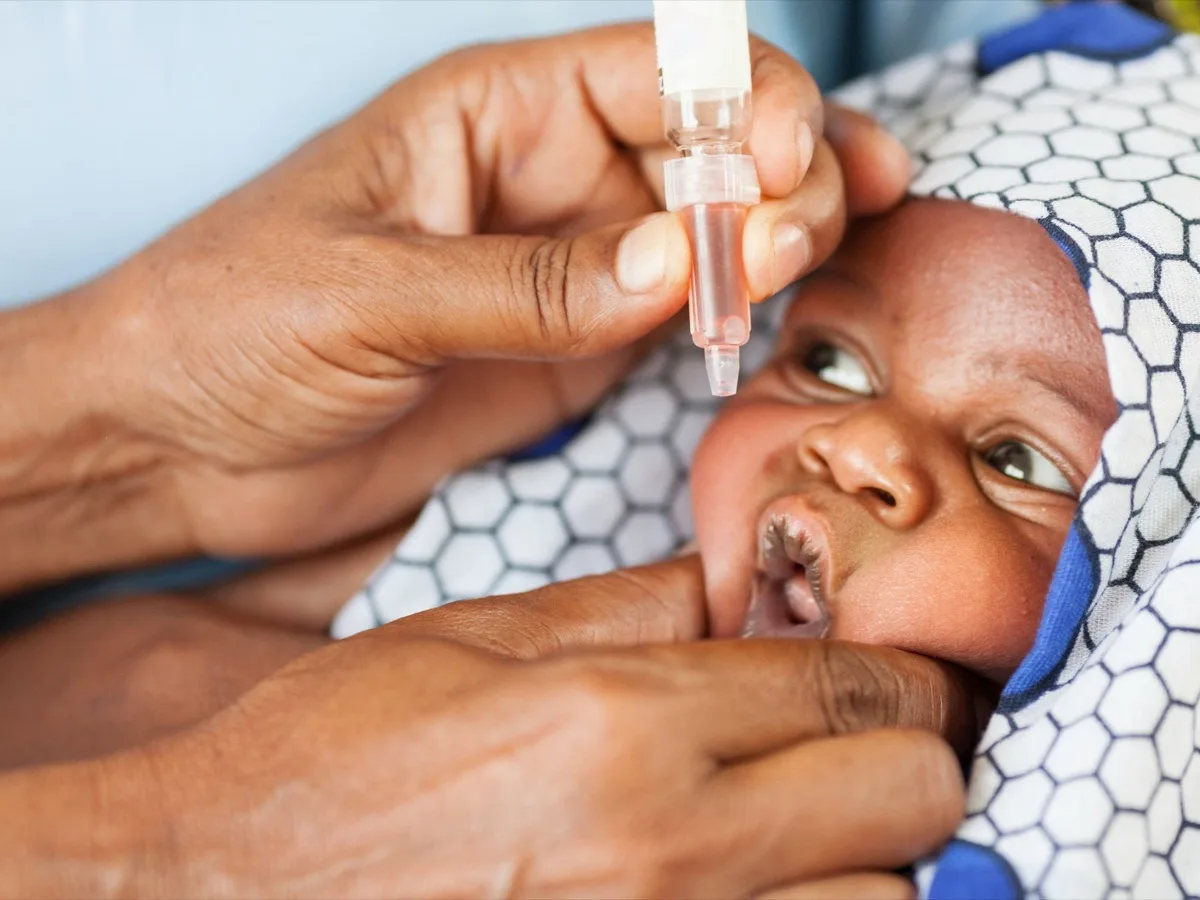
Mobilizing health workers to deliver public health interventions like vaccines at the last mile is pivotal to the success of any mass campaign, and was a required next step in the effort to fight back against the spread of wild poliovirus. Traditionally, health workers were paid in cash, a method fraught with complications:
- Access and security. Many health workers, particularly in remote areas, did not have bank accounts. Paying them on the spot meant carrying around large sums of cash, posing a serious security risk.
- Delays in payment. Health workers frequently had to travel for hours to collect their payments, causing frustration and significant delays. In some cases, payments took a month or more to reach them.
- Lack of transparency. Cash payments lacked transparency. Workers did not necessarily know how much they would be paid, and it was difficult to track both the amount workers were entitled to and the amount they actually received.
The inefficiencies and challenges associated with cash payments had a cascading effect. Delayed and incomplete payments demotivated health workers, making it harder to recruit them for subsequent campaigns. The consequences were far-reaching, impacting not only the livelihoods of health workers but also the quality and timeliness of essential public health services.
A digital solution built on CommCare
Mobile money was identified as a potential solution to the payment challenges, but stakeholders knew that deploying it effectively would require a digital solution to help manage the payments. Recognizing the urgency, Dimagi worked in collaboration with the Gates Foundation and the World Health Organization to develop a tool that streamlines the tracking and management of last-mile payments to campaign workers.
Using CommCare, Dimagi designed a digital solution that leverages the ubiquity of mobile phones to empower health workers and campaign administrators to deliver vaccinations at the last mile and be compensated for it. It was part of the answer to the pressing question of how to efficiently pay health workers, ensure the timeliness of payments, and bring transparency to the process.
The pilot study
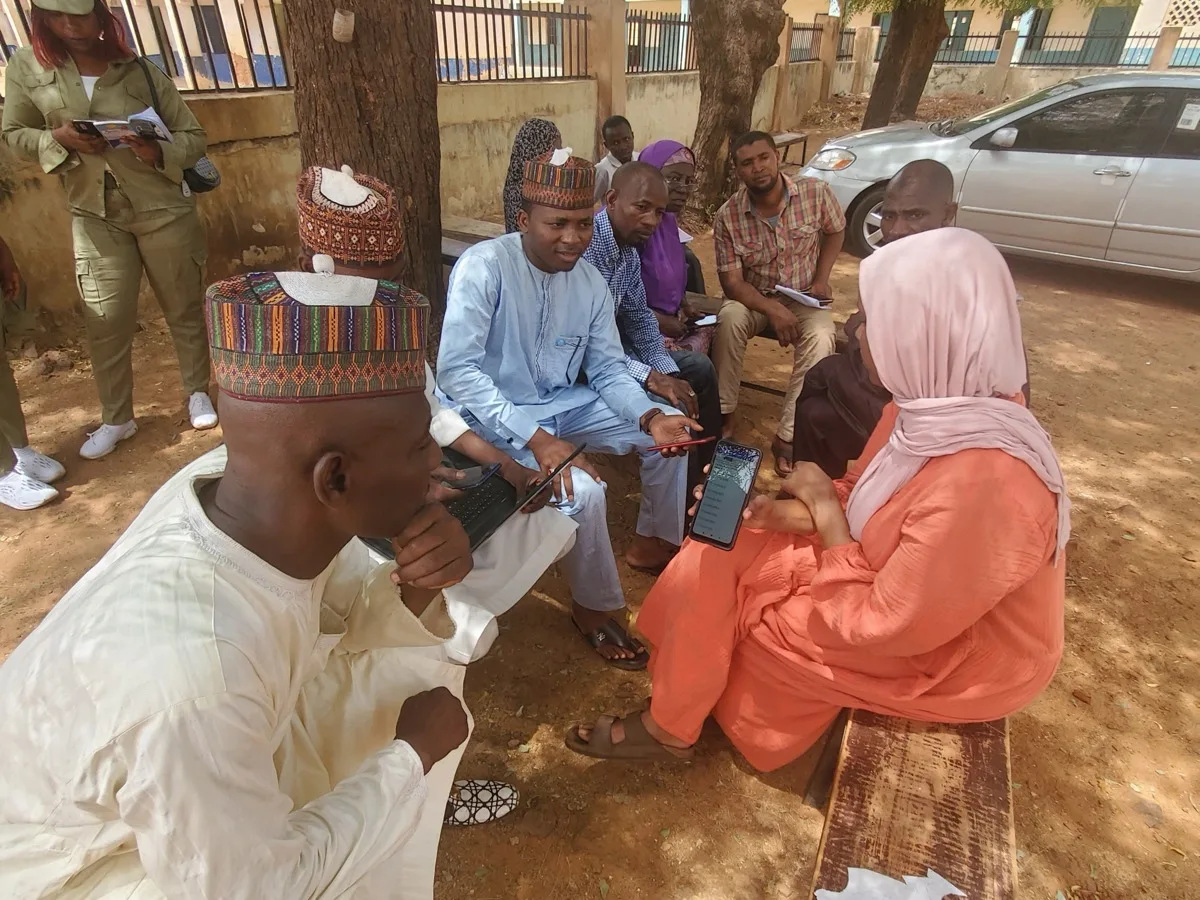
Before scaling the polio campaign solution, a pilot study tested the adoption of mobile money among health workers and the importance of timely payments. Across 44,815 polio campaign workers who participated in the study, workers received payment within eleven days or less, and in some cases the very next day after the campaign had ended. The participants truly appreciated being paid via mobile money: of 182 health workers surveyed, 96 percent said they wanted to receive payments for future campaign work via mobile money, as the timeliness was critically important to them.
How the workflow connects
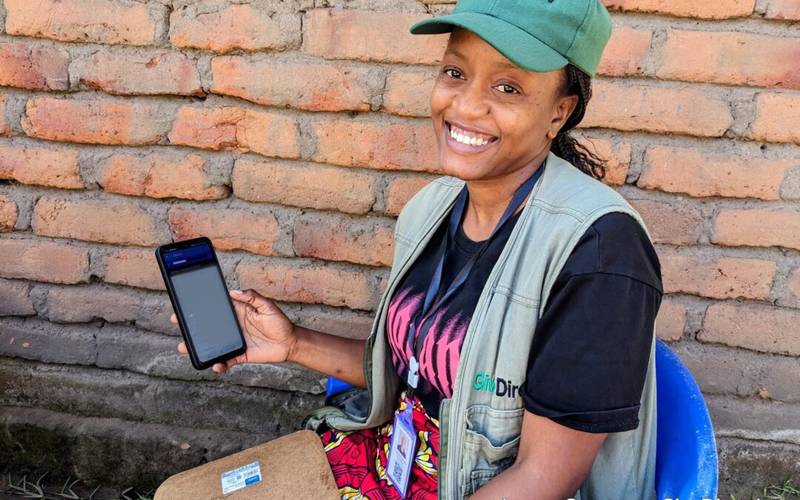
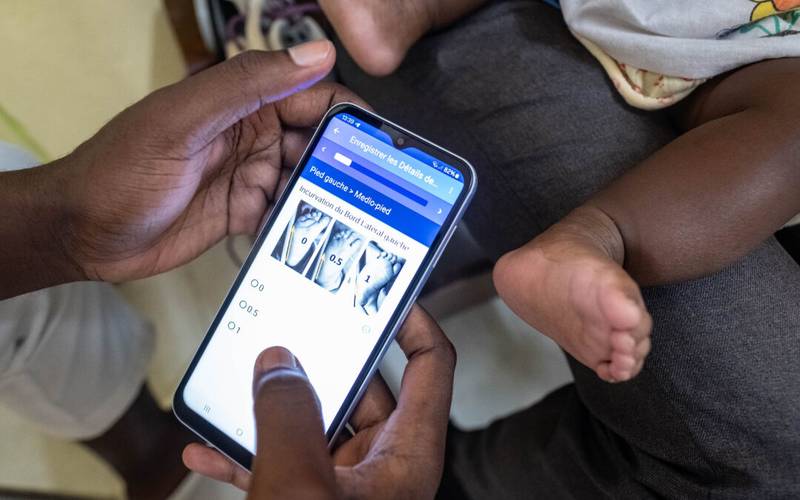
A mobile app was built on CommCare and designed for the field campaign managers and administrators on the ground. The app enabled them to set up vaccination campaigns, enroll health workers, verify their information, and track their attendance for the duration of the campaign. The workflow was built in three steps.
Step 1: Health worker enrollment and verification
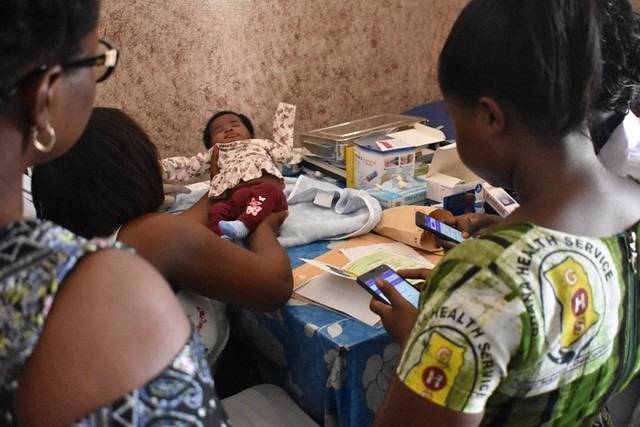
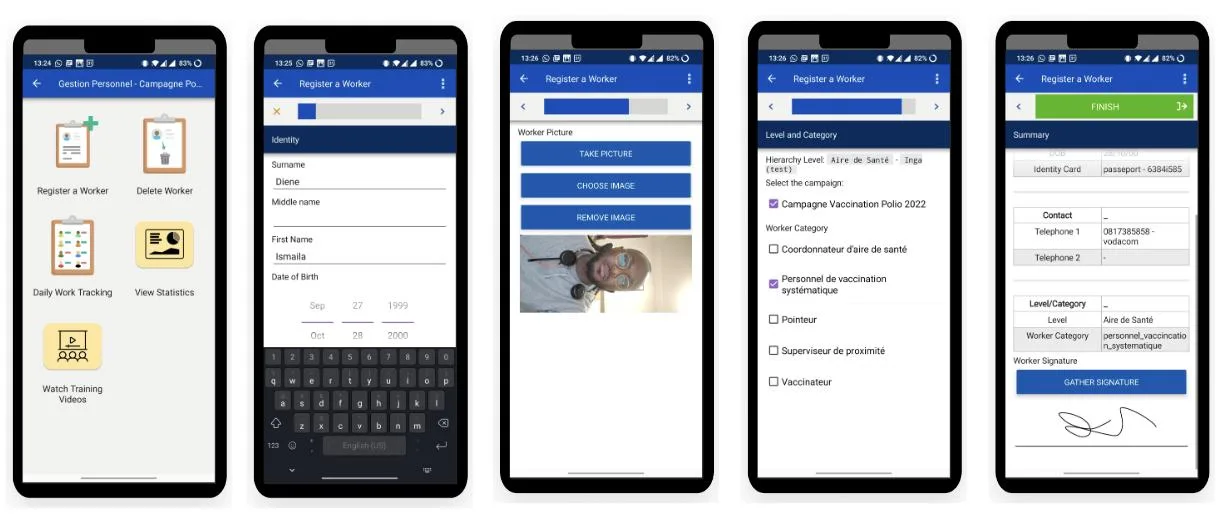
Health workers are enrolled by field campaign managers or administrators via the CommCare app. During enrollment, crucial demographic information is collected, including mobile phone numbers and the mobile money information necessary to facilitate payments. Consent to participate in the mobile money program and to be enrolled in the CommCare application is captured in the app at the point of enrollment, documented with the worker's electronic signature and securely stored in the CommCare cloud, ready for validation by Mobile Network Operators (MNOs) through the Know Your Customer (KYC) process. By building a verified health worker mobile database, programs have an easy-to-reference source of payment details, so that as soon as a campaign concludes they can trigger payment directly to the health workers who participated.
Step 2: Campaign assignment
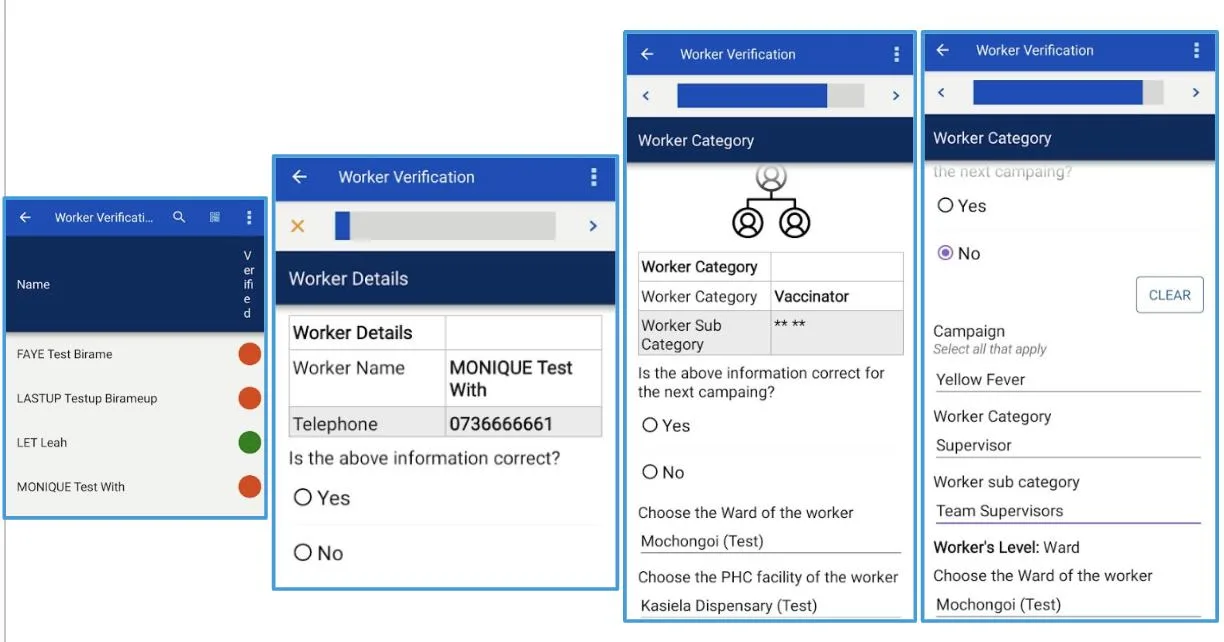
With health workers enrolled and their details verified, and leading up to a vaccination event, field campaign managers or administrators create a new campaign using the app. Campaigns are defined by their scope, objectives, and duration. During this stage, health workers are assigned specific roles within the campaign, with each role dictating the compensation the worker is entitled to. For example, a health worker might be assigned the role of a vaccinator for a polio campaign that runs from January 1st to 15th. This role not only defines their responsibilities but also determines their compensation rate.
Step 3: Attendance tracking
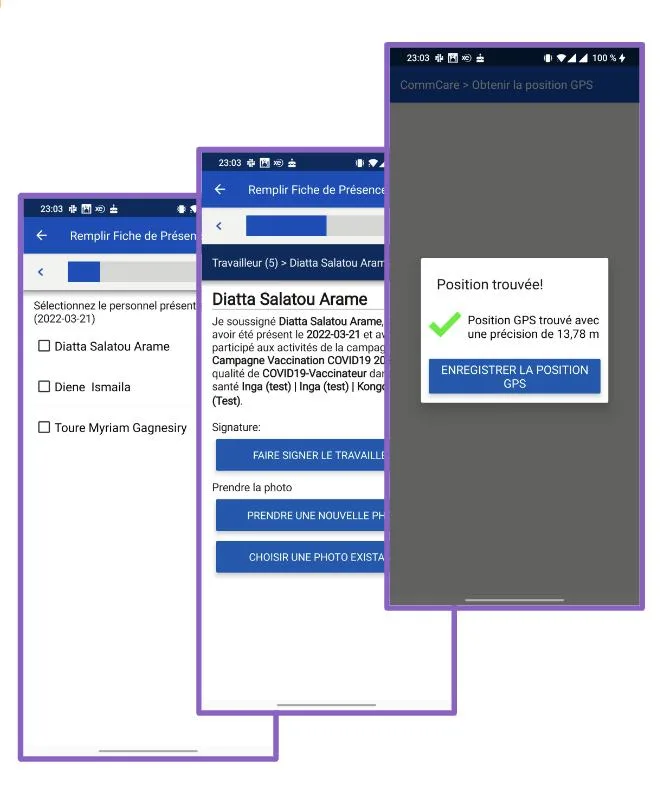
Once the campaign is underway, health workers use the solution's attendance module to record their attendance as they perform their tasks. This data is crucial for accurate payment calculations and is instantly synchronized with the CommCare cloud. Campaign administrators review the attendance data for accuracy and adherence to campaign guidelines, and CommCare's design allows for a seamless transition of validated attendance data to mobile money administrators, who then validate the health worker against the mobile money account information and release payment.
The transformative power of mobile money
Mobile money is the connective tissue of the whole approach. It is a payments solution that has gained widespread adoption in many parts of the world, especially in regions where access to traditional banking services is limited. Health workers, even those without traditional bank accounts, can receive their compensation directly into their mobile money wallets, eliminating the need to travel long distances or wait for extended periods to access their earnings.
Mobile money also adds an extra layer of transparency to the payment process. Mobile Network Operators validate the mobile money information, ensuring that payments reach the intended recipients, and the electronic nature of mobile money transactions creates a clear and traceable payment trail that reduces the potential for financial mismanagement. Beyond simplifying payday, the model encourages the adoption of mobile money, which can open doors to greater financial inclusion among underserved populations.
Faster pay, stronger campaigns
Payment timeliness
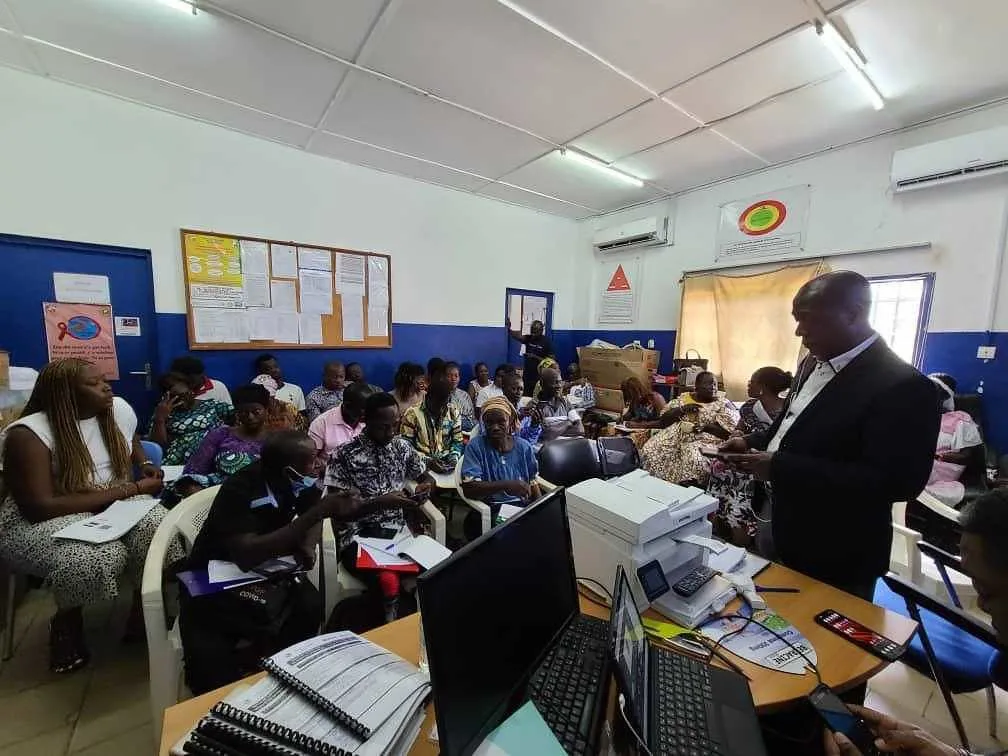
Prior to the introduction of mobile money and this digital solution, health workers often endured delays in receiving their compensation, which could take weeks or months to reach them. Through the solution, health workers no longer face the financial strain caused by delayed remuneration, and health workers who are paid promptly are more likely to participate enthusiastically in future campaigns and to develop a stronger commitment to their critical role in public health.
Improved efficiency
Beyond the personal impact on health workers, the solution has brought remarkable improvements to the efficiency of public health campaigns. Consider the logistics of a polio immunization campaign: thousands of health workers are deployed across vast regions, often in remote locations and challenging terrain, and coordinating their activities, ensuring their attendance, and accurately calculating their compensation is a herculean task. The enrollment module provides real-time insight into the number of potential workers available in a given region at a given time, so program administrators can conduct targeted recruitment efforts. With all campaign data centralized in CommCare, administrators have access to comprehensive, up-to-date information that enables better decision-making, more accurate budgeting, and improved resource allocation.
Where compensation once took weeks or months to reach frontline workers, the CommCare solution has reduced payment timelines to as little as two weeks, and in some cases a single day.
The program is still active, and the latest numbers as of February 2025 include:
- Digital solution deployed in 16 countries: Benin, Burkina Faso, Cameroon, Côte d’Ivoire, Congo, DRC, Gambia, Ghana, Liberia, Nigeria, Sierra Leone, Madagascar, Mozambique, South Sudan, Tanzania, and Togo.
- 20,000 monthly active users on the CommCare app.
- 2 million health workers enrolled with linked mobile money wallets.
- Over 2 million paydays facilitated.
A proven, turnkey solution
Dimagi has templatized the digital solution to support various campaigns beyond polio. These templates serve as starting points, offering pre-configured features and workflows that align with the specific requirements of different campaigns, and Dimagi works with partners to customize and adapt the template to their unique workflows, drawing on proven approaches built into its deployment methodology. Teams can swiftly define project scopes, create customized applications, deploy them, and train health workers, all within remarkably short timeframes, sometimes as little as two weeks.
The mobile application is currently being used to support COVID-19 and Yellow Fever campaigns in the DRC, COVID-19 campaigns in Cameroon and South Sudan, and, more recently, Measles campaigns in Nigeria.
Training expertise
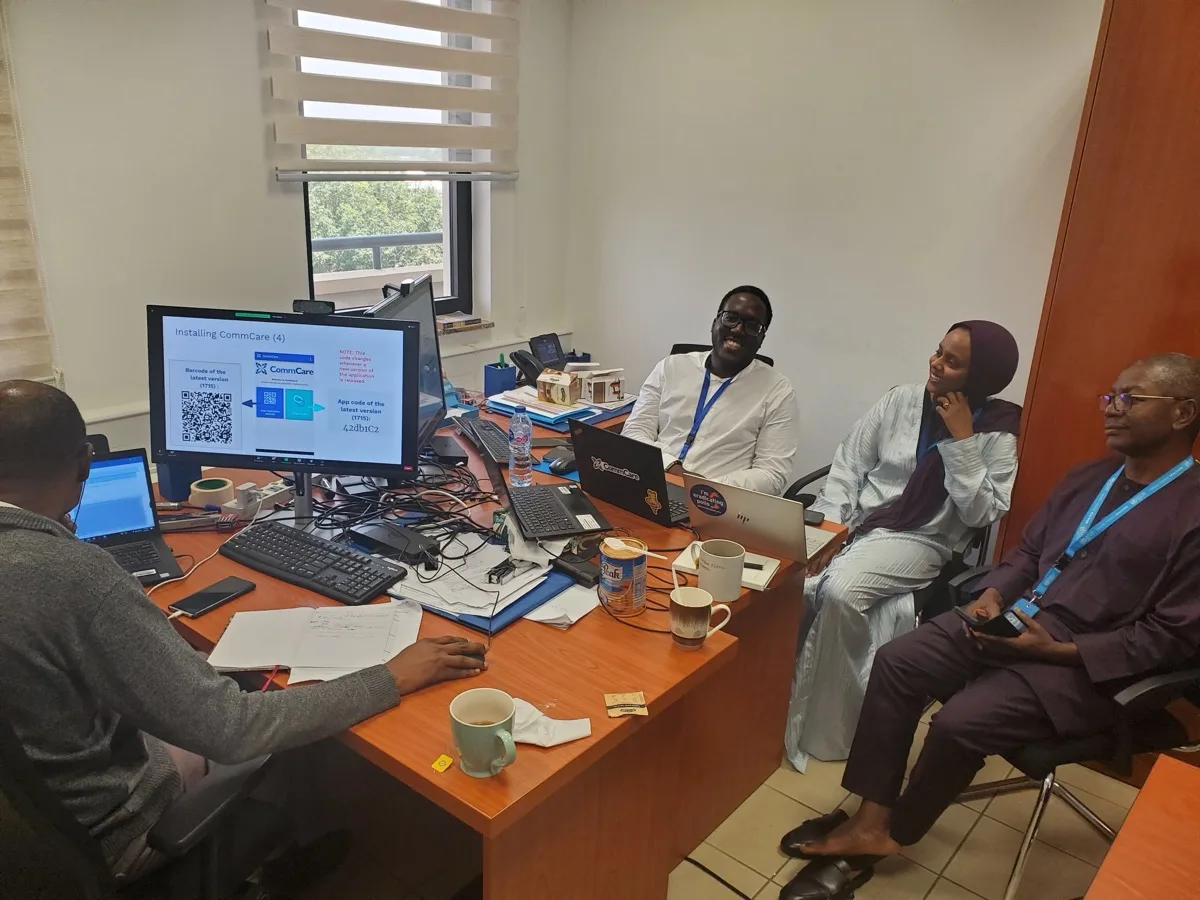
Deploying a digital solution for public health campaigns goes beyond the technology itself. Health workers and campaign administrators need to be proficient in using the tool effectively, so Dimagi offers comprehensive training and support, ensuring that health workers and administrators are equipped with the knowledge and skills required to maximize the benefits of CommCare.
Dimagi's training expertise extends to capacity building. Partners are not just trained to use CommCare for a single campaign; they are empowered with the knowledge to adapt and expand the platform's use for future initiatives.
More to look forward to
Micro-planning functionality
The Dimagi team is actively developing micro-planning functionality within the platform, which will enable campaign administrators to create detailed budgets and resource allocation plans. The module will be directly linked with enrollment and attendance tracking, so administrators have immediate insight into how their implementations are stacking up against their initial budget estimates. By integrating micro-planning into CommCare, Dimagi aims to provide campaign administrators with a comprehensive tool for end-to-end campaign management.
More sophisticated analytics
Program administrators need to easily view and manipulate programmatic data, so Dimagi has built new functionality that embeds Superset, Apache's open source reporting platform, directly in a team's CommCare project space. Partners can build custom dashboards showing the number of workers enrolled and the percentage whose Know Your Customer validation is complete, broken down by geography and role to help facilitate recruitment. Dashboards also produce easy-to-reference attendance sheets that can be shared with supervisors for sign-off and with Mobile Network Operators to facilitate payments.
Key takeaways for planning your next campaign
- Out-collaborate and align with other organizations. More partners may be harder to manage in the short term, but in the long term a campaign with buy-in across multiple organizations will likely have more momentum and success.
- Create a shared vision and mission. Take the time up front to get crystal clear on the goals of the campaign and ensure that all partners and stakeholders are aligned.
- Determine the workforce needed to deliver the campaign. Who will be most trusted by, and have access to, the communities you are looking to serve? How will you recruit a workforce to deliver this campaign?
- Set your workforce up for success. Survey the needs of the workforce to ensure they are able to deliver on the campaign. Are you positioned to train your workforce on what they need to deliver the intervention? Can they successfully deliver the services? Are you able to verify service delivery? And most importantly, can you pay them for their services? If the answer is no to any of these questions, then investigate digital tools to support you and your campaign workers.
- Consider how you can deliver additional services. Once you have the infrastructure set up to deliver on one campaign, consider how you might solve additional problems. This campaign initially targeted polio vaccines, but given the robust setup and scale, the team was able to layer in additional vaccinations.
- Track your impact and communicate progress. Ensure you can collect data on services delivered through your campaign in a centralized repository or dashboard. Create a clear cadence for communicating results to key stakeholders, and make sure you can learn from the data and let it inform any changes in your approach.
Planning a campaign of your own?
Talk to our team about how CommCare and connected mobile money payments can help you deploy faster and pay frontline workers on time. You can also reach our partnerships team directly at campaigns@dimagi.com.
Get in touch