In this post
Gorongosa National Park was considered one of the premier protected areas in Southern Africa in the 1960s and 1970s. However, since the mid 1970s, civil strife and rampant poaching decimated wildlife and destroyed tourism infrastructure. The Gorongosa Restoration Project was founded in 2008 by the Carr Foundation as part of an initial 20-year agreement with the Government of Mozambique to see Gorongosa National Park flourish again. Since then, key projects from a wide range of areas such as health, education and more, have assisted wildlife populations who live on the park’s buffer-zone to naturally recover. To ensure long-term success of biodiversity conservation efforts the Gorongosa Restoration Project recognises that effective programs to improve environmental governance and the lives of people living on the buffer-zone of the park are essential to secure Gorongosa’s future.
Cash transfers and nutrition outcomes
To that end, the Gorongosa Restoration Project is implementing a mobile health (mHealth) strategy to complement GiveDirectly’s (an American non-governmental organization recipient of United States Agency for International Development funds) unconditional cash transfer approach, given the encouraging evidence regarding cash transfer and nutrition outcomes. According to ODI.org, studies from 56 cash transfer programs have shown strong evidence that direct cash transfer programs are associated with a decrease in monetary poverty. GiveWell also supports this positive view on cash transfer programs noting that, “Cash transfers have the strongest track record we’ve seen for a non-health intervention, and are a priority program of ours.” It has been proven that cash transfer programs reduce some of the social determinants for health such as poor nutrition intake by making it possible for people to improve their feeding habits not only quantitatively but also qualitatively.
An SMS-based behavior change program
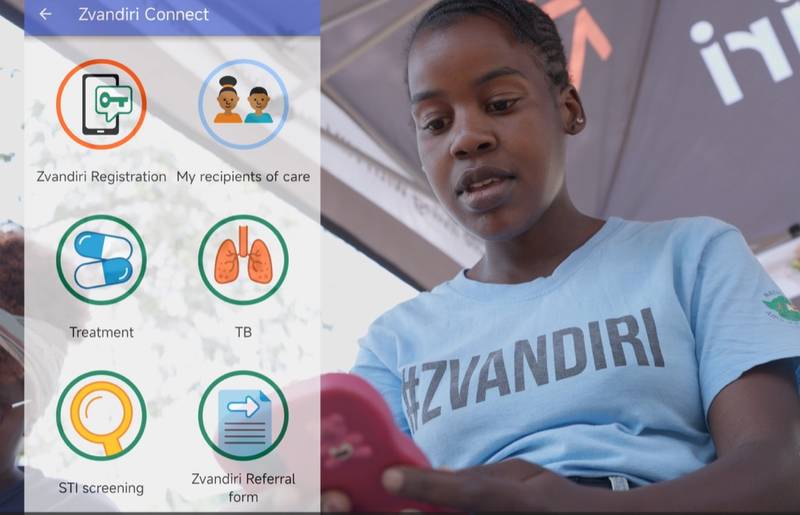
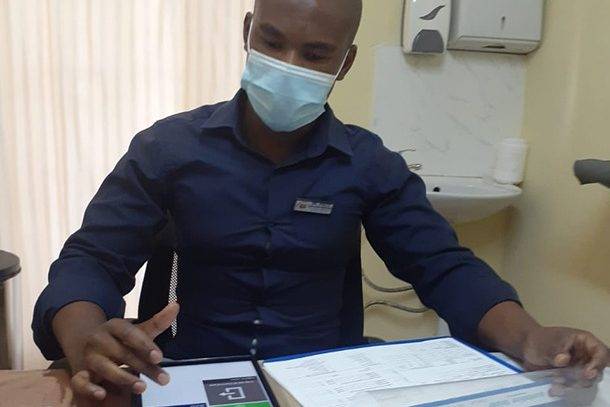
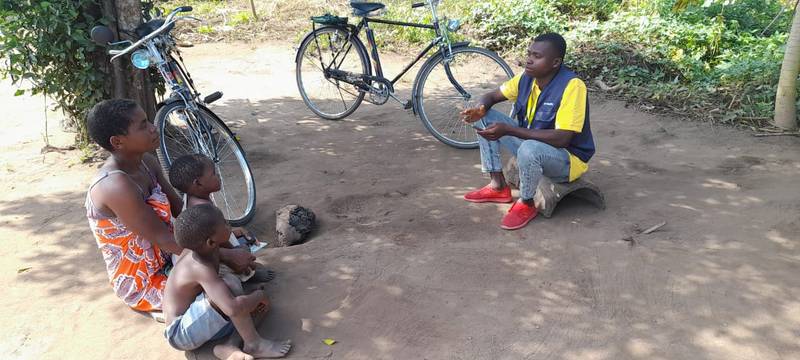
The Gorongosa Restoration Project is working with GiveDirectly to support the implementation of a cash transfer project paired together with a Short Message Service (SMS) based nutrition behavior change initiative. In partnership with Dimagi, the Gorongosa Restoration Project will develop a CommCare based mHealth application aimed at nudging cash recipients to adopt improved nutrition and food security behaviors with a portion of their cash transfer. The application features SMS campaigns (both one-way and two-way surveys) related to nutrition behavior change.
Apart from guaranteeing a diversified diet, the program strives to increase the number of women who seek medical assistance at the health facilities during their pregnancy and breastfeeding period, increase the numbers of childbirths in health facilities, and children from 0 to 5 years old who attend medical follow-up consultations at health facilities.
Background and goals
Initial discussions between GiveDirectly and the Gorongosa Restoration Project began in early 2020 with an original intent to support the region deeply impacted by Cyclone Idai in 2019, with a particular focus on supporting maternal and child nutrition and testing the viability of cash transfers in Mozambique. The COVID-19 pandemic caused several delays, but the focus remains the same: can cash transfers work in Mozambique, and can it be successfully paired with SMS campaigns to support nutrition behavior change? GiveDirectly is leading implementation of the monthly cash transfers, while Gorongosa National Park will work together with Dimagi to develop the mHealth initiative.
In 2020 Dimagi and Gorongosa National Park developed a sustainable farming application that has been successfully adopted to promote sustainable farming practices in the communities in and around Gorongosa National Park. When the opportunity to embark on another exciting project together arose, both Dimagi and the Gorongosa Restoration Project were excited to leverage their existing relationship to create further impact in the region.
households targeted in the Nhamatanda district of Mozambique within one administrative post (Tica) and the roughly 27 communities within it.
To find out more about CommCare and how it can support protocols to affect behavioral change please reach out to our Solutions Delivery Team at solutions-bd@dimagi.com.
Paulo Nunes and Khanyisa Bomba also contributed to this piece.
Bring behavior change programs to your community
Learn how CommCare can support protocols that drive lasting behavioral change.
Get in touch