In this post
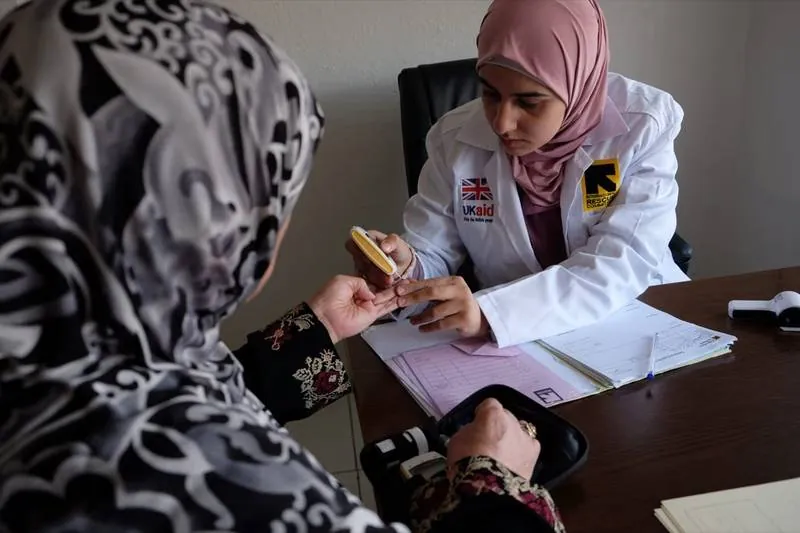
The International Rescue Committee (IRC), with funding from Elrha, optimized a community health volunteer (CHV) model for non-communicable disease (NCD) care, specifically hypertension and diabetes, among Syrian refugees in Jordan. A tablet-based CommCare program gave volunteers the tools to identify, monitor, and support patients in the community.
The problem: NCD care gaps in a humanitarian emergency
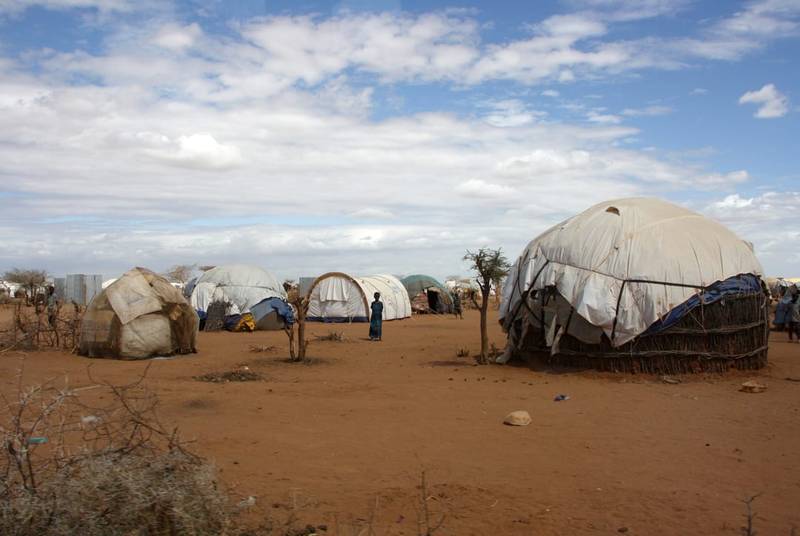
The project addressed gaps in non-communicable disease care for Syrian refugees in Jordan, investigating how community health volunteers could improve case identification, monitoring, and prevention of hypertension and diabetes during a humanitarian emergency.
The solution: a community health volunteer model on CommCare
The IRC led the work over a 33-month project, from July 1, 2018 to April 1, 2021, with funding of £448,515 through Elrha’s Research for Health in Humanitarian Crises (R2HC) annual funding call. Research partners included the University of Southern California, the Jordan University of Science and Technology, and Brigham and Women’s Hospital. Community health volunteers used the tablet-based CommCare program to identify, monitor, and support patients while staying linked to integrated primary-care clinics and pharmacies.
How CommCare was used
Through the CommCare program, community health volunteers tracked medication stockouts, disease complications, and referral needs, and supported patients’ psychosocial needs. As the COVID-19 pandemic took hold, they also used the program to screen for suspected cases, and the model shifted from planned household visits to remote consultations to keep patients connected to care while in-person visits were limited.
Impact
The model achieved strong engagement and clinical outcomes. Monthly CHV consultation uptake was more than 80%, patient retention in care reached 87%, and monthly medication adherence was 90%. More than half of SARS-CoV-2 referrals were positive. The approach was cost-efficient, at roughly INT$218 per patient per year, compared with INT$209 for a single clinic consultation, and most patients maintained stable disease-control measures by the end of the study.
The model reached 87% patient retention, more than 80% monthly CHV consultation uptake, and 90% monthly medication adherence, at roughly INT$218 per patient per year.
The researchers concluded that community health volunteers effectively addressed NCD care gaps and provided continuity of care during service disruptions, warranting their integration into health systems with support for referrals and a targeted focus on high-risk populations.
Running an NCD or community health program?
Talk to our team about how CommCare equips community health workers to identify, monitor, and follow up on hypertension, diabetes, and other chronic conditions, online or off.
Get in touch