In this post
Across sub-Saharan Africa, the World Health Organization estimates that more than 300,000 babies are born each year with sickle cell disease (SCD), and the majority of them do not reach the age of five. The Consortium on Newborn Screening in Africa (CONSA) is an international network working to change that, and it uses CommCare to document and coordinate the diagnosis of newborns who test positive.
The program details on this page are summarized from the American Society of Hematology’s Consortium on Newborn Screening in Africa page. Read the original initiative description on hematology.org for the authoritative source.
An international network for early diagnosis
CONSA is designed to demonstrate the benefits of newborn screening and early intervention for children with SCD in sub-Saharan Africa. It introduces standard-of-care practices for screening and early intervention therapies, such as antibiotic prophylaxis and immunizations, at participating institutions, and it provides clinical follow-up for every baby who tests positive for SCD. Each participating country screens between 10,000 and 16,000 babies a year.
To make that possible, participating hematologists and public health officials have mobilized networks that span screening laboratories, SCD and pediatric hematology clinics, teaching hospitals, universities, and satellite clinics. The American Society of Hematology (ASH) provides financial support that covers reagents, dried blood spot filter-paper cards, and staff stipends.
As of June 2020, seven countries had been approved to launch participating sites: Ghana, Kenya, Liberia, Nigeria, Uganda, Tanzania, and Zambia.
How CommCare fits in
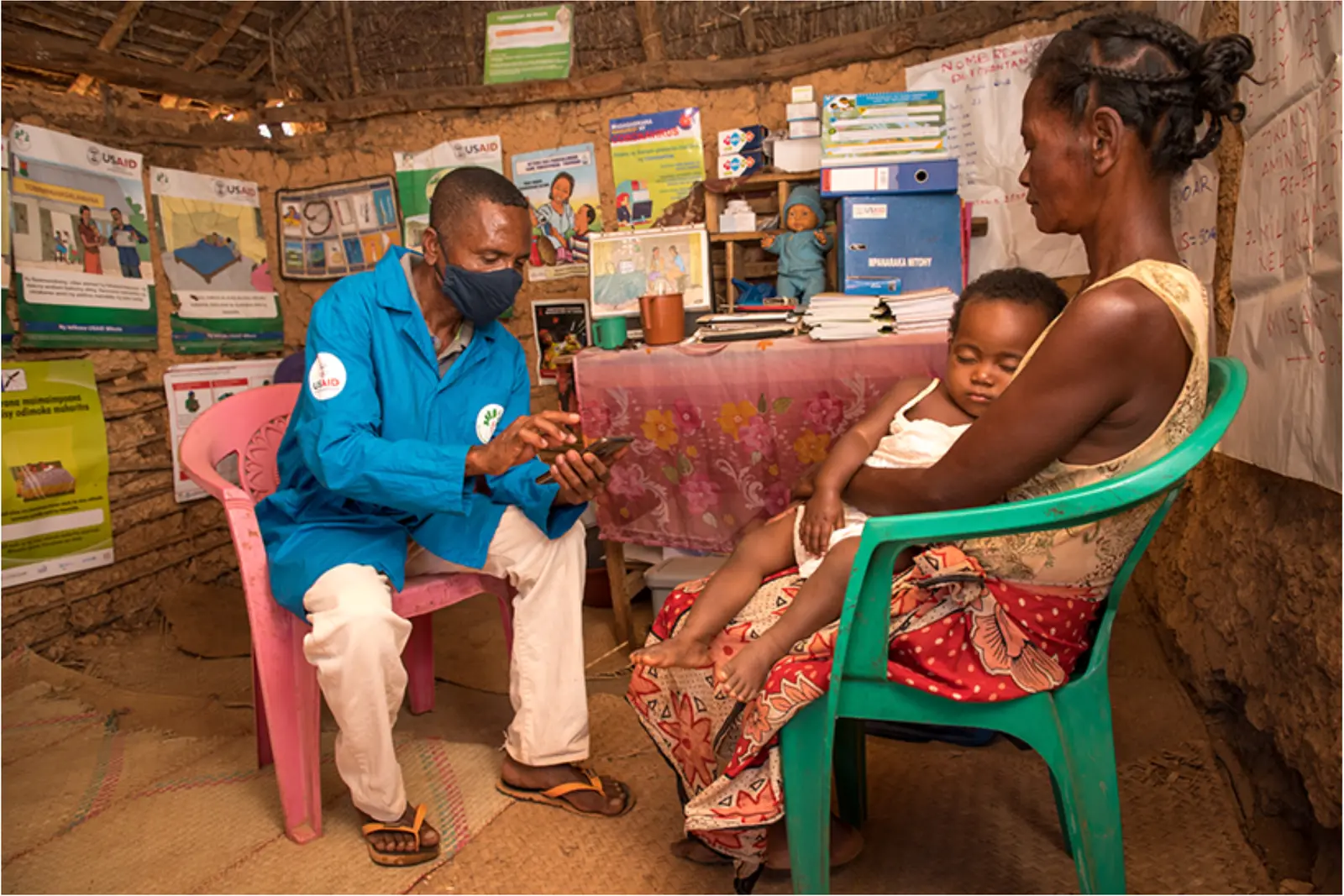
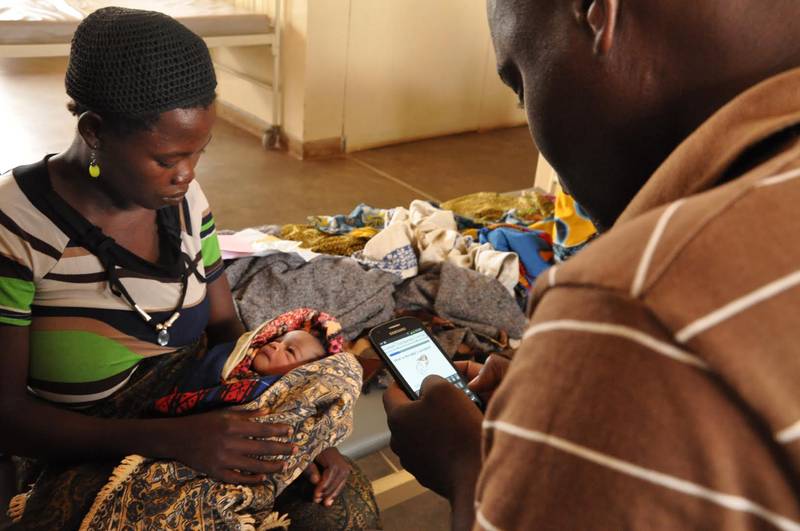
Used by Novartis and CONSA, CommCare documents and coordinates the diagnosis of babies with sickle cell disease. Because CommCare is built offline-first, health workers can register samples, track them to the laboratory, and record results even at sites with limited or no connectivity, syncing automatically when a connection is available. That makes it well suited to the screening laboratories, clinics, and satellite sites that make up the consortium’s networks.
The goal: sustainable screening at scale
Beyond the babies it reaches today, CONSA is built to leave durable capacity behind. Its objectives are to evaluate the effectiveness of early identification and clinical interventions for newborns with SCD, to create sustainable and expanded networks for screening and clinical care, to foster collaboration between African hematologists and public health services in organized research networks, and to increase hematology capacity throughout sub-Saharan Africa.
The consortium emerged from a broader ASH initiative launched in 2016 to address the global burden of SCD, alongside efforts such as SCD clinical practice guidelines, education, federal policy work, and the Sickle Cell Disease Coalition. CONSA stores its data in the ASH Research Collaborative’s SCD Clinical Trials Network and Data Hub, and it is supported by country governments, sickle cell patient advocacy groups, United States government agencies, United Nations organizations, and industry partners including Bristol Myers Squibb, Novartis, Rev, and Novo Nordisk.
Running a screening, registry, or trial program?
Talk to our team about building reliable patient tracking, follow-up, and EDC integration on CommCare.
Get in touch